Ingredient guides · No hype, no scare tactics
Know what's in it — before you buy it
We translate ingredient lists into plain language: what some people choose to avoid and why, what is genuinely worth looking for, and how to judge any product on the shelf in thirty seconds.
Every article checked against regulator publications — and corrected in the open when we get something wrong.
Start here
Two lists run this whole site
Everything on WithoutWith grows out of two questions shoppers ask every day: what should this product be without? and what should it be with? Pick a list — or start with the guides that combine both.
The problem
Labels weren't written for you
Written in code
Ingredient lists use INCI names — a technical dialect nobody teaches. "Benzophenone-3" and "oxybenzone" are the same ingredient; the label won't tell you that.
Marketing answers first
"Clean", "natural", "free-from" — front-of-pack claims are written to sell, not to inform. Some are meaningful. Many are decoration. The list on the back is the only honest page.
Two lazy shortcuts
"Natural is always safe" and "chemicals are always bad" are both wrong — the flagged list includes natural substances used at the wrong strength, and the look-for list includes lab-made ingredients with superb records.
How it works
Label literacy in four steps
Pick your question
Start from an ingredient you are unsure about, or a product you want to buy. Both lists are gathered in the two guides above.
Read the explainer
What it is, where it hides, why people avoid or seek it, and what regulators say — in proportion, with sources linked.
Learn its label names
Every explainer lists the names the ingredient hides under, so the back of the pack stops being code.
Decide for yourself
Use a guide to shop the rule, or just take the knowledge to the shelf. The choice stays yours — that is the point of the site.
A worked example
One label, before and after
A real style of ingredient list from a typical shampoo — and the same list after ten minutes on this site.
Before: the raw label
Aqua, Sodium Laureth Sulfate, Cocamidopropyl Betaine, Parfum, Methylparaben, Dimethicone, Benzophenone-3…
Seven names, no meanings. Is this a gentle shampoo or a harsh one? Is anything in it something you personally avoid? The label knows. You don't — yet.
After: decoded
Sodium Laureth Sulfate — the cleanser; effective, can irritate sensitive scalps (sulfates). Parfum — undisclosed fragrance mix; the top cosmetic allergen (fragrance). Methylparaben — the preservative; weak oestrogen debate, permitted worldwide (parabens). Benzophenone-3 — that's oxybenzone, in a shampoo, for colour protection.
Same list. Now it is a decision instead of a riddle.
Featured deep-dive
The sunscreen debate, settled down
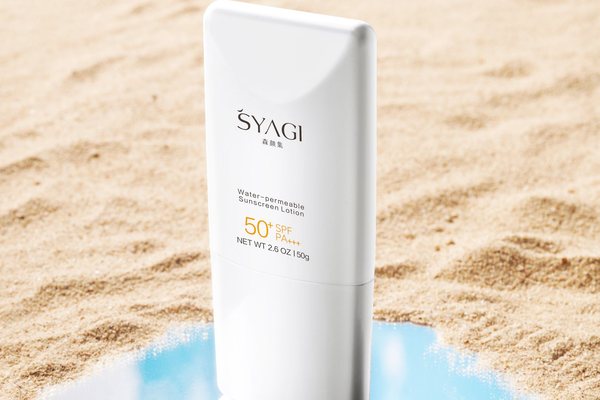
Oxybenzone is the most argued-over ingredient in modern skincare: absorbed into the bloodstream in FDA studies, banned from sale in Hawaii, still permitted almost everywhere. Our explainer separates what the studies showed from what headlines claimed — and our zinc oxide guide shows the alternative that regulators rank highest.
Read the Oxybenzone Explainer Zinc Oxide, Explained · Sunscreen Without Oxybenzone: The Guide
Buying guides
Guides that start from the label

Ingredient spotlights
The explainers readers start with



Questions
Frequently asked questions
Frequently asked questions
What is WithoutWith?
An independent ingredient-information site. We explain, in plain language, which ingredients in everyday products some people choose to avoid and why, which ingredients are worth looking for, and how to read any product label for yourself. No shop, no scare tactics, no invented ratings.
Are the ingredients on your 'avoid' list dangerous?
Not necessarily — 'flagged' means many people choose to avoid an ingredient for a describable reason: a documented allergy pattern, an unresolved research debate, an environmental concern, or simple preference. Every explainer states what regulators actually say, including where an ingredient is permitted and at what limits.
How do you research your articles?
From primary material: the ingredient's role in a formula, its INCI naming, and how regulators such as the US FDA and EPA describe it, plus established reference databases. Research findings are reported in proportion — a single lab study is labelled as one. See our editorial policy.
Do you test the products in your guides?
No, and we never pretend to. Guide selections are made by applying a stated ingredient rule to products' published ingredient lists, with honest notes on who each product suits. Formulations change, so every guide tells you how to re-check the bottle in front of you.
How does this site make money?
Display advertising and, in some guides, affiliate links — at no extra cost to readers. Links never decide which products or ingredients are covered; that separation is written into our editorial policy.
I have a skin condition. Can this site help?
We can help you understand labels, but we cannot advise on conditions. Our content is educational and carries that disclaimer throughout; allergies, eczema and other conditions belong with your doctor or dermatologist.
Start with one label
Pick the product you used this morning. Find one ingredient you cannot pronounce. We will explain it — what it does, why it is debated, and what to buy instead if you decide it's not for you.